
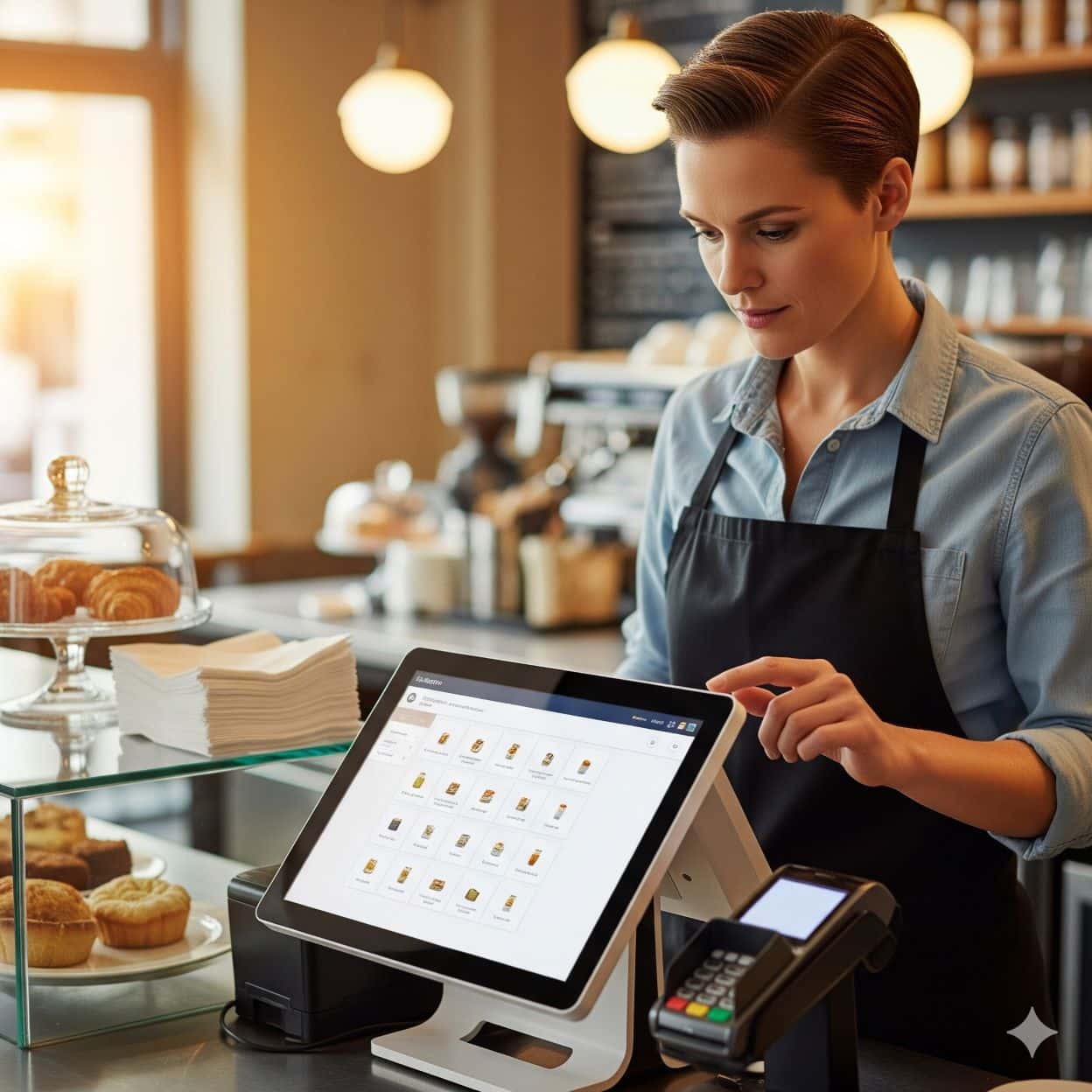
In today’s fast-paced business world, a Point of Sale (POS) system is much more than a simple cash register. It’s the central nervous system of your business, managing everything from transactions and inventory to customer data and employee performance. Choosing the right system can streamline your operations and set you up for future growth, while a poor choice can lead to frustration and lost revenue.
At Honohan & Associates, we guide our clients through this critical decision. Here are five key factors we advise every business owner to consider before making a choice.
1. Functionality & Business-Specific Needs
The first step is to identify what your business truly needs. A coffee shop, a retail boutique, and a service-based business all have different requirements.
- For Retail: You’ll need robust inventory management, barcode scanning, and the ability to handle returns and exchanges seamlessly.
- For Restaurants/Cafes: Look for features like table management, kitchen display systems (KDS), and the ability to split bills easily.
- For Mobile Businesses: Portability is key. A mobile POS system that runs on a tablet or smartphone is essential.
Don’t just look for a list of features; consider how they will directly address your operational pain points and help you achieve your business goals.
2. Ease of Use and Employee Training
An advanced system with a confusing interface is a system that won’t be used to its full potential. A good POS system should be intuitive and user-friendly for both new and experienced employees.
Ask yourself:
- How long will it take to train new staff?
- Does the interface make it easy to process transactions quickly?
- Can you handle common tasks, like applying a discount or processing a return, with just a few taps?
A system that reduces training time and minimizes human error will save you a significant amount of time and money in the long run.
3. Integration with Other Software
Your POS system shouldn’t operate in a silo. The most effective systems integrate seamlessly with other business tools you already use.
Look for a POS that can connect with your:
- Accounting Software: Automatically sync daily sales data with your accounting platform (like QuickBooks or Xero) to simplify bookkeeping.
- eCommerce Platform: If you have an online store, an omnichannel POS will sync inventory and sales data across both your physical and digital storefronts.
- Marketing & Loyalty Programs: Capture customer data and purchase history to run targeted marketing campaigns and reward loyal patrons.
This level of integration turns your POS from a simple transaction tool into a powerful data hub for your entire business.
4. Cost and Pricing Structure
POS systems come with a variety of costs, and it’s important to understand the full picture. Beyond the initial hardware and software costs, you should also consider:
- Monthly Subscription Fees: Many cloud-based systems charge a recurring fee.
- Credit Card Processing Fees: These can vary significantly. Be sure to understand the percentage and flat-rate fees per transaction.
- Hidden Costs: Watch out for fees for customer support, software updates, or additional features.
We help our clients find a solution with transparent pricing that fits their budget without compromising on essential features.
5. Security and Support
Your POS system handles sensitive customer data, making security non-negotiable. Ensure that any system you choose is PCI-compliant and uses end-to-end encryption to protect credit card information.
Additionally, consider the level of customer support offered. What happens if your system goes down during a busy Saturday afternoon?
- Availability: Is support available 24/7 via phone, chat, or email?
- On-site Help: Do they offer local support or on-site assistance if needed?
- Offline Functionality: Can the system still process payments if your internet connection is lost?
A reliable support system provides peace of mind and minimizes costly downtime.
Choosing a POS system is a significant investment in your business’s future. By carefully evaluating these five factors, you can find a solution that not only meets your current needs but also scales with you as you grow. If you’re an Austin business looking for guidance on this or any other operational challenge, Honohan & Associates is here to help.